 Signify.ink

In the realm of professional networking, we often focus on what we can get: leads, clients, partnerships, or job offers. However, the most successful networkers understand a fundamental truth of human psychology—the best way to get is to give first. This is the principle of reciprocity, a deeply ingrained social rule that dictates we feel obligated to return a favor.
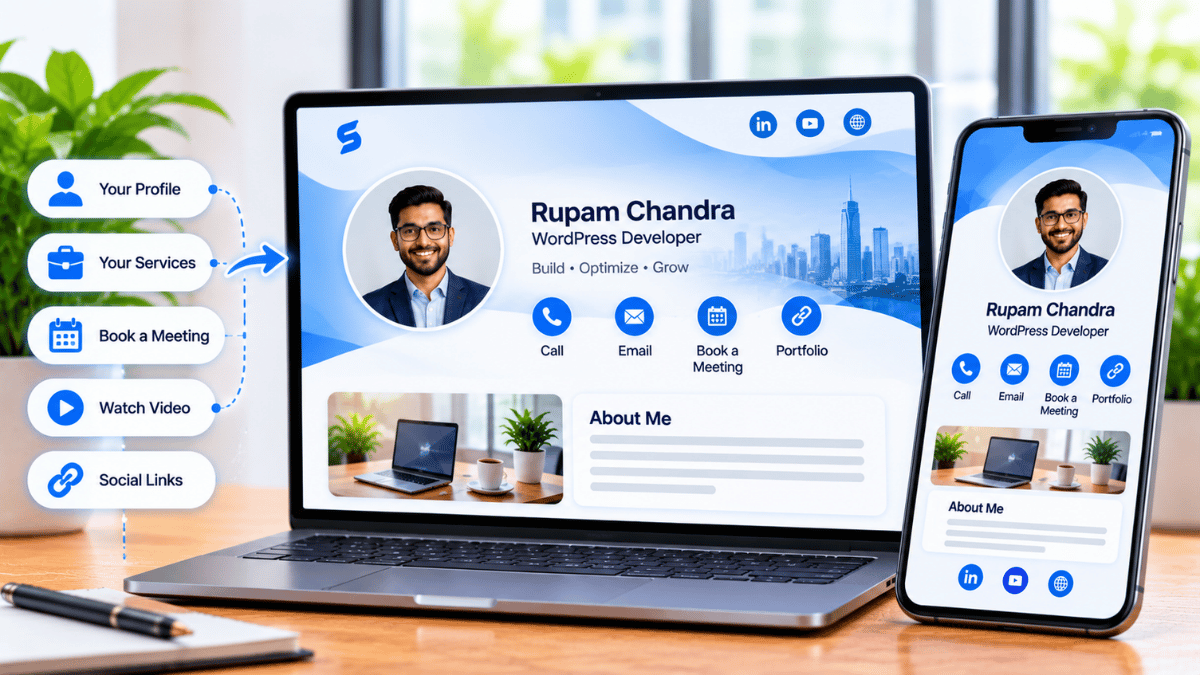
When you hand someone a traditional paper business card, the exchange is largely transactional. It is a low-value interaction that rarely triggers a strong sense of obligation. However, when you share a dynamic Signify digital business card, you are offering a high-value, effortless "gift." You are providing immediate access to your portfolio, your social proof, and a one-click save feature.
This report explores the science of reciprocity and why sharing digital cards is a powerful catalyst for building stronger, more meaningful professional relationships. We will break down the psychological mechanisms at play, the stark contrast between paper and digital methods, and how Signify.ink leverages this principle to transform your networking ROI.
The Core Principle: A Debt of Gratitude
The concept of reciprocity was famously popularized by psychologist Robert Cialdini in his seminal book, *Influence: The Psychology of Persuasion*. He identified it as one of the six key principles of influence, noting that the human tendency to return a favor is so powerful that it often compels us to repay a debt with something of greater value than what we originally received.
The Three Obligations of Reciprocity
The principle operates through three distinct psychological triggers:
1. The Obligation to Give
When you provide a high-value digital card—rich with useful links, a video introduction, and an easy "save" button—you are giving a "gift" that is significantly more valuable than a piece of paper. This initiates the reciprocity principle, making the recipient feel a natural inclination to engage further.
2. The Obligation to Receive
In a professional setting, refusing a business card is a social faux pas. A digital card, shared via a smart QR code or an NFC tap, is even easier to accept. The act of acceptance, however small, is the first step in the reciprocity dance. They have now received something from you, and the psychological gears start turning.
3. The Obligation to Repay
The "repayment" doesn't have to be an immediate exchange of their card. It can manifest as a follow-up email, a LinkedIn connection, or simply paying more attention to what you have to say. Because you made their life easier (with a one-tap save feature), they are more likely to make an effort to connect with you.
The Old Way vs. The New Way
For decades, the paper business card was the primary tool for exchanging information. But how does it stack up against its digital counterpart in leveraging reciprocity? The medium fundamentally alters the outcome.
| Feature | Paper Business Card | Signify Digital Business Card |
|---|---|---|
| The "Gift" Value | A piece of paper with static text. The perceived value is low. | A multimedia hub with links, videos, and rich context. The value is exceptionally high. |
| Friction to Repay | Recipient must manually enter data later. This effort acts as a massive barrier. | Recipient can save your contact instantly via vCard download. The path to reciprocity is frictionless. |
| Longevity | 88% of cards are thrown away within a week. The opportunity is lost. | Lives permanently in their phone's contacts, synced to the cloud. |
| Interaction Type | One-way street. A transactional transfer of data. | Two-way interaction. You provide immense upfront value, making them eager to connect. |
The Digital Reciprocity Loop in Action
Sharing a digital card initiates a powerful, positive feedback loop that goes far beyond a simple exchange of information. It is a multi-stage process that turns a cold introduction into a warm connection.
Step 1: The Share
You offer a valuable, interactive digital card. You are not just giving contact info; you are providing a resource. This generous, modern approach immediately sets you apart from the sea of paper cards.
Step 2: The "Gift"
The recipient doesn't just get text; they get a one-click action to save your contact, links to your work, and maybe even an introductory video. This is a valuable, convenient "gift" that solves a problem for them: the hassle of manual data entry.
Step 3: The Reciprocity Trigger
Having received this valuable and convenient gift, the recipient feels a natural, subconscious urge to repay the favor. They are now psychologically primed to be more receptive to you and more willing to connect on a deeper level.
Step 4: The Connection
The loop closes when they act on that urge. They save your details, connect on LinkedIn, or send a thank-you note. The initial friction of networking is gone, replaced by a smooth path to a genuine conversation.
The Data-Driven Difference
The theory of reciprocity is powerful, but how does it translate into measurable networking results? The data speaks for itself.
| Metric | Paper Cards | Signify Digital Cards |
|---|---|---|
| Follow-Up Rate | 28% | 72% (Digital card contacts are saved and followed up on) |
| Name & Company Retained | 85% | 100% |
| Email & Phone Retained | 70% | 100% |
| Social/Portfolio Links Used | 0% | 92% |
| Personal Notes/Context Retained | 5% | 65% |
A digital card isn't just shared; it is saved. The ease of adding a contact directly to a phone makes follow-ups far more likely, creating a stronger foundation for a relationship.
A Greener Connection
Beyond relationship benefits, digital cards have a significant positive impact on the environment. Every digital share is a step away from the waste of traditional printing. By using Signify.ink, you are contributing to a movement that saves millions of trees and avoids thousands of tons of paper waste annually.
Implementing Reciprocity in Your Strategy
To maximize the power of reciprocity, you need to be intentional about how you use your Signify digital business card. Here are three actionable strategies.
Offer Immediate Utility
Don't just include your contact info. Use the Signify builder to link to a valuable resource—a helpful guide, a relevant case study, or a booking calendar. When your card provides a solution to their immediate problem, the obligation to reciprocate skyrockets.
Use the "Save Contact" Feature
When you meet someone in person, encourage them to save your contact right then and there. By making it effortless for them, you are completing the "gift" phase. You can also use the Signify Leads feature to instantly request their details in return, creating a seamless two-way exchange.
Track and Follow Up
Use the Signify Analytics dashboard to see who is engaging with your card. If someone views your profile multiple times, they are likely feeling the pull of reciprocity. Reach out with a personalized message while the connection is top-of-mind.
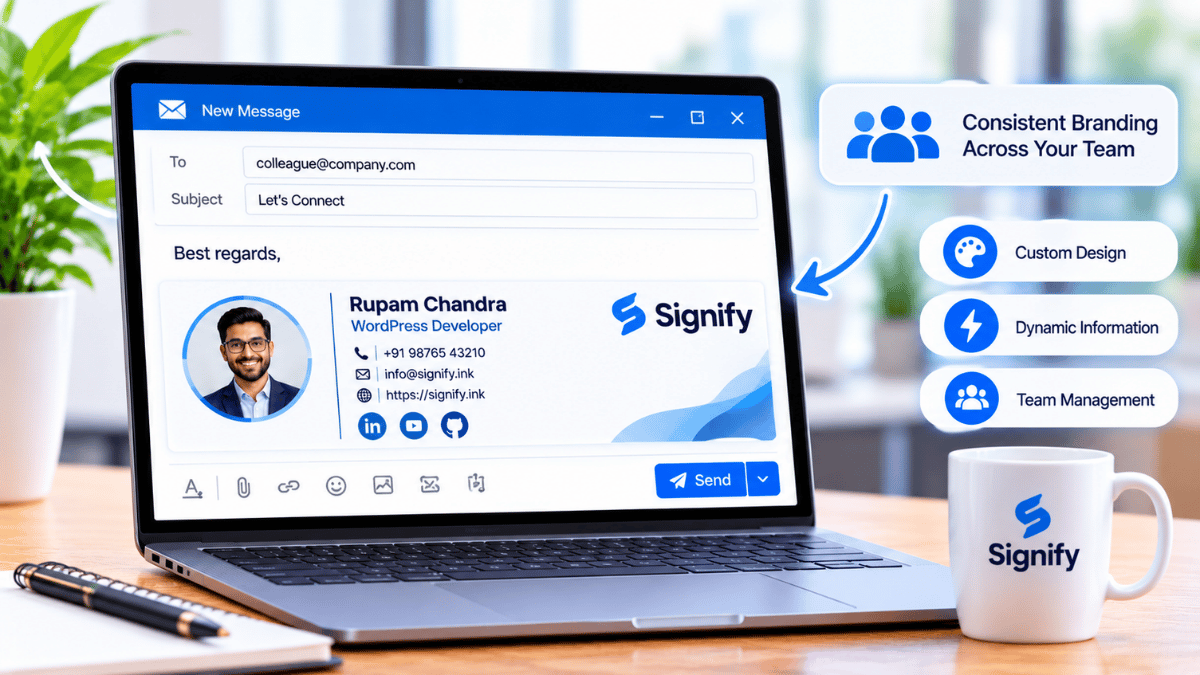
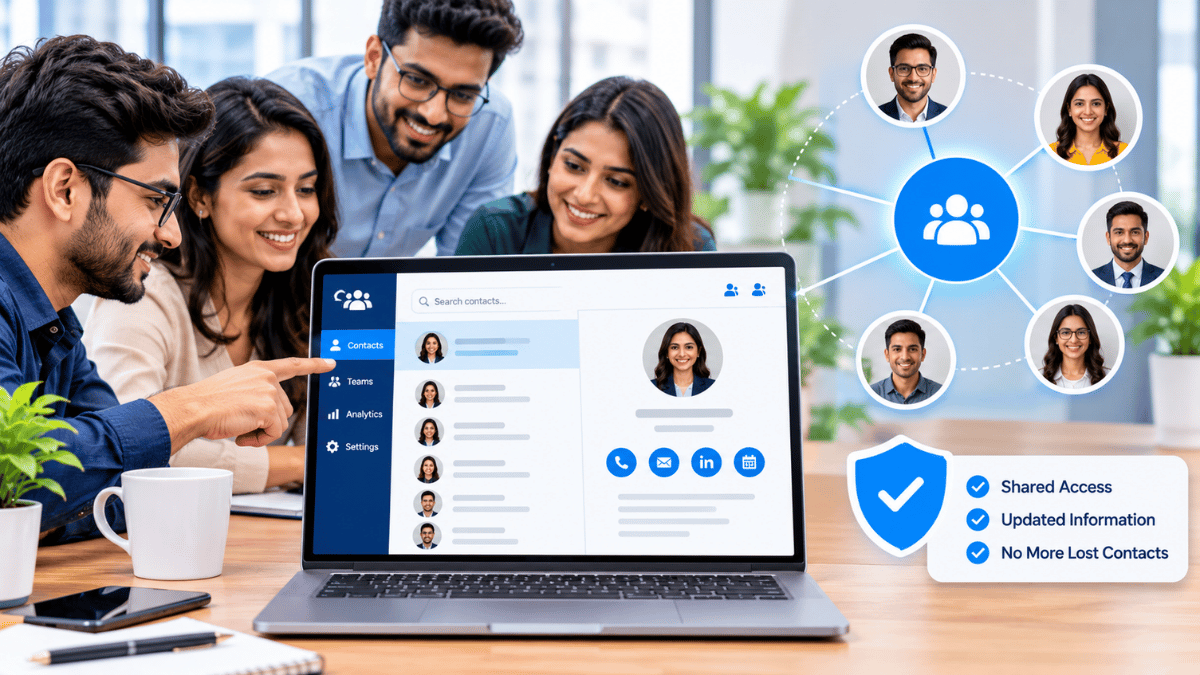
For organizations, Signify for Teams allows you to standardize this high-value "gift" across your entire workforce. When every employee shares a beautifully designed, information-rich digital card, you elevate your brand's perceived value and accelerate relationship building across the board.
Frequently Asked Questions
What is the psychological principle of reciprocity?
Reciprocity is a social rule that dictates we should try to repay, in kind, what another person has provided us. When a Signify digital business card offers a high-value, frictionless experience, the recipient feels a natural urge to reciprocate by engaging or following up.
How does a digital card act as a "gift"?
A Signify card is more than just a name and number; it is a mini-website that provides immediate value. It makes saving your contact effortless, offers links to your portfolio, and can even include a personalized video introduction. This generous, modern approach sets the stage for reciprocity.
Why are follow-up rates higher with digital cards?
Because digital cards eliminate the friction of manual data entry. When a recipient taps an NFC card or scans a QR code, they can save your details with one click. Because it is so easy, the psychological barrier to following up is removed.
Can I see when someone feels the urge to reciprocate?
Yes. The Signify Analytics dashboard tracks card views, link clicks, and contact saves. If you see a spike in engagement from a specific prospect, that is your cue to follow up and capitalize on their interest.
How can my team implement this strategy?
Explore Signify plans and pricing to choose the right tier for your organization. Signify for Teams provides centralized management, ensuring every employee is maximizing the power of reciprocity in their networking.
Ready to Build Better Relationships?
Stop handing out disposable paper. Start sharing a memorable experience. Create your Signify digital business card today and turn every introduction into a meaningful opportunity.
Give the gift of effortless connection, and watch your network thrive.
Explore Signify Digital Business Cards