From Profiles to Protocols
The next stage of digital identity evolution is here. We are dismantling the centralized data silos of Web 2.0 and replacing them with self-sovereign, cryptographically secure networks.
The Identity Crisis & The Paradigm Shift
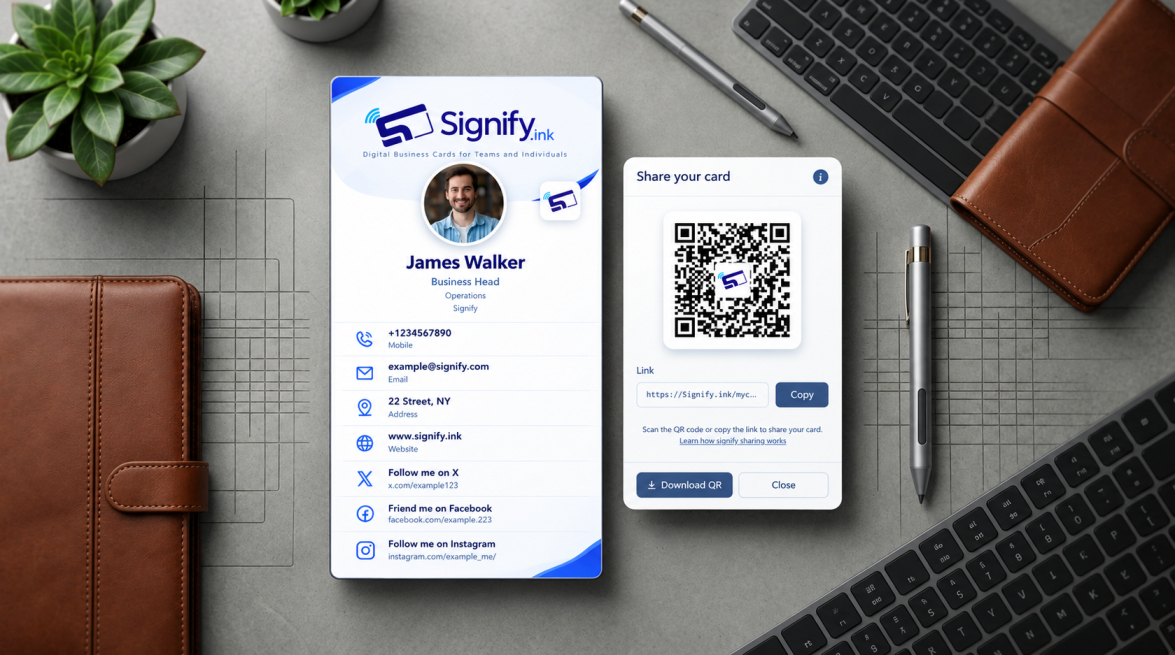
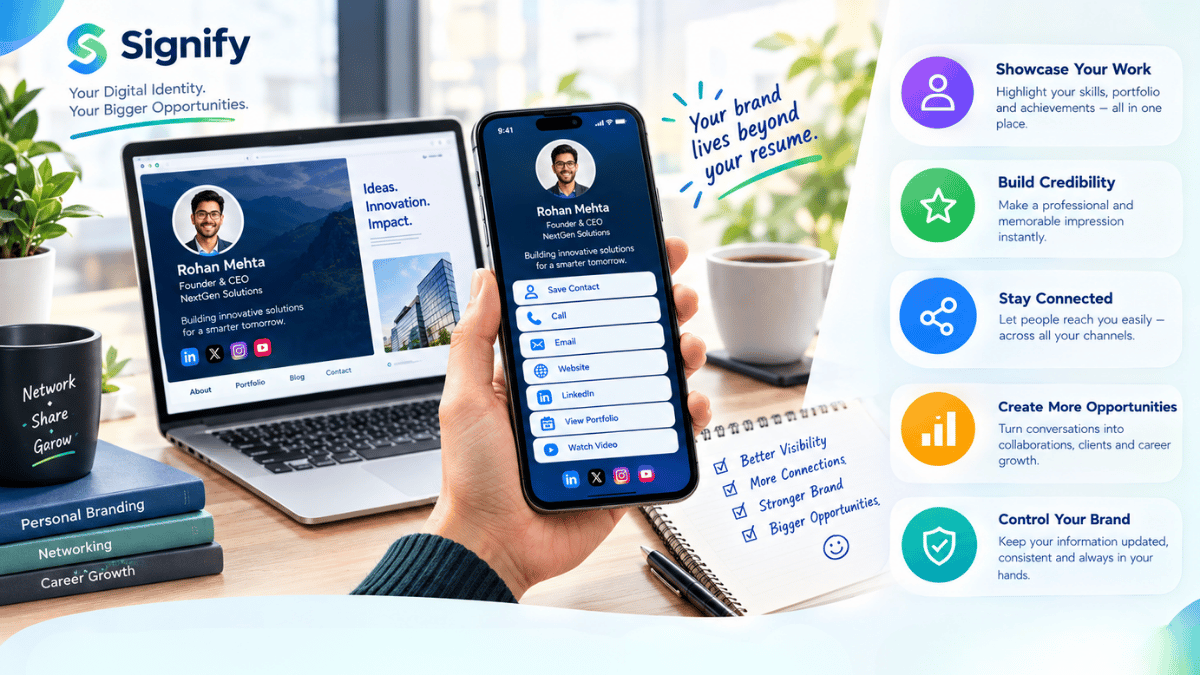
For two decades, our digital existence has been defined by 'profiles'—rented spaces on centralized servers owned by corporations. This era is ending. The future belongs to 'protocols'—open-source standards where identity is a verifiable asset owned strictly by the individual.
1.0 The Physical Era
Identity was entirely local, paper-based, and inherently private. Trust was established through physical verification and state-issued documents.
2.0 The Profile Era (Web2)
The rise of the "Login with..." buttons. Identity became federated but highly centralized. Users became the product, leading to massive data silos and breaches.
3.0 The Protocol Era (Web3)
Decentralized Identifiers (DIDs) and Verifiable Credentials (VCs). Cryptographic proofs replace passwords. Identity is portable, private, and user-controlled.
Phase 3.0: The Protocol Era
In the protocol era, you no longer ask a corporation to verify who you are. Instead, you hold digitally signed attestations (Verifiable Credentials) in a secure digital wallet. When a service needs proof of your age, citizenship, or credentials, you provide a Zero-Knowledge Proof—a mathematical guarantee that the statement is true, without revealing the underlying data itself.
- ✓ Self-Sovereign: You hold the keys.
- ✓ Interoperable: Works seamlessly across borders and platforms.
- ✓ Data Minimization: Share only what is absolutely necessary.
How Protocols Function
The architecture of decentralized identity relies on the "Trust Triangle." Explore the relationship between Issuers, Holders, and Verifiers, anchored by a verifiable data registry. Click the entities below to understand the flow of trust.
1. The Issuer
Universities, Governments, Banks
2. The Holder
The User / Digital Wallet
3. The Verifier
Employers, Apps, Services
The Holder (You)
The Holder lies at the center of the Trust Triangle. You use a digital wallet to request and receive Verifiable Credentials from Issuers. You store these securely on your own device. When a Verifier requests proof of an attribute (e.g., "Are you over 18?"), your wallet generates a cryptographic presentation.
Verifiable Data Registry
Blockchain / Distributed Ledger
Market Data & Projections
The transition from profiles to protocols is not merely theoretical; it is driven by catastrophic failures in centralized security and a massive economic shift towards cryptographic trust.
The Cost of Centralization
Identity-related data breaches globally (Millions of records exposed)
Protocol Adoption Projection
Active Decentralized Identity Wallets (Millions)
$4.6B
Projected Market Size (2027)
The decentralized identity market size is expected to grow remarkably as organizations seek compliant methods for identity verification.
85%
Reduction in KYC Costs
Financial institutions utilizing reusable verifiable credentials report massive drops in onboarding friction and compliance spending.
27+
National eID Initiatives
Nation-states are shifting from proprietary databases to interoperable W3C standards for issuing digital driver's licenses and passports.
The Signify.ink Deep Dive Library
A comprehensive, interactive compilation exploring the cryptographic, social, and economic paradigms of the new identity layer. Select a volume below to begin.