 Signify.ink

Trade shows have a well-known ROI problem: the cost is fixed and paid upfront, while the return is decided by what happens in three narrow windows — the days before the show, the hours at the booth, and the two weeks after. Most exhibitors optimise the middle window and let the other two slip. The booth looks great; the leads go cold; the budget is spent. The fix is not a bigger booth or a cleverer giveaway. It is treating lead capture and follow-up with the same discipline as the booth design.
This playbook covers all three phases, with the specific mechanics that move the needle in each. The through-line is the moment of capture: how a conversation turns into a saveable contact while the person is still standing in front of you. A Signify digital business card is not the whole answer, but it is the piece most exhibitors get wrong, because a paper card at a trade show is the least likely object in the building to survive the trip home.
- Before the show — set measurable goals, design the booth for encounters rather than aesthetics, and train the team on capture, not just pitch.
- During the show — a QR code on the banner and an NFC tap collapse the capture step from a minute to a second; paper cards collected at a booth are the most likely to be discarded.
- After the show — follow up within 24–48 hours, reference the conversation, and route the lead into the CRM. The send-a-card flow and CRM integration are the two mechanisms that make this work.
- The 88% paper-card discard figure is the strongest argument for digital capture at trade shows, because booth traffic multiplies the number of cards that go into a bag and never come out.
Why trade shows still work, and where they fail
Trade shows concentrate a large number of potential buyers into a short window and a single venue, which is why they remain a significant line item in B2B marketing budgets even as digital channels have proliferated. The Center for Exhibition Industry Research tracks the industry and publishes the data that most exhibitor guides draw on; Exhibitor Magazine is the standard practitioner publication for booth design and show operations. Both are useful for the industry context, even though specific figures vary widely by show.
The failure mode is not the show. It is the hand-off. A conversation at a booth can produce a warm lead, and then that lead is captured on a paper card, dropped into a tote bag, and never seen again. A commonly cited industry figure puts the paper card discard rate at roughly 88% within a week — cited by the American Bar Association and by commercial printers such as UPrinting. At a trade show, where an attendee collects cards from twenty or thirty booths, the survival rate is likely worse than the baseline, not better.
That is the specific problem this playbook addresses. Not "trade shows don't work" — they do — but "the hand-off from conversation to saved contact is where the ROI quietly disappears".
Phase 1: before the show
The work done in the two weeks before the show decides the ceiling for everything else. Three things matter more than the rest.
Set a measurable goal, not a vague one
"Generate brand awareness" is not a goal — it is a category. A usable goal is specific enough that you know at the end of the show whether you hit it: a number of qualified conversations, a number of demos booked, a number of discovery calls scheduled for the following week. The point of a specific goal is not the target itself; it is that the team arrives knowing what a successful conversation looks like, which changes how they behave at the booth. The pricing page matters here only as a sanity check — if the total cost of the show divided by the number of qualified leads is higher than your average deal value, the show is not worth attending.
Design the booth for encounters, not for photographs
The most common booth mistake is designing it as a marketing asset rather than a working environment. A booth that photographs beautifully but has no clear entry point forces visitors to figure out where to walk. A booth with a low barrier, an obvious welcome position, and a single clear next action — the demo, the scan, the conversation — converts better. The Exhibitor Magazine archives have years of material on this; the short version is that the physical layout determines whether anyone starts a conversation at all.
Train the team on capture, not just on pitch
Most booth training focuses on the pitch: the 30-second intro, the key differentiators, the demo. That is necessary but not sufficient. The team also needs to know exactly what to do at the moment the conversation ends — how the contact gets saved, who is responsible for capturing notes, and where the lead goes afterwards. If three people at the booth each have a different idea of what "capture" means, the leads will be captured inconsistently and half of them will be lost. The fix is to standardise the mechanism — a single QR code, a single tap, a single place the data lands — and drill it once before the doors open.
Phase 2: during the show
The booth is a live performance, and the difference between a good show and a bad one is usually behaviour rather than infrastructure. These are the behaviours that matter, framed as what to do and what to avoid.
Do: stand and be approachable
A person standing near the edge of the booth, facing the aisle, signals openness. It is the single most effective change an exhibitor can make on day one.
Don't: sit behind a table
A table between you and the visitor is a physical barrier that also functions as a psychological one. Stand in front of it, not behind it.
Do: ask open questions first
"What brings you to the show?" is a better opening than a pitch. It gives the visitor a reason to talk, and it tells you what to pitch back.
Don't: be on your phone
A phone in hand reads as "I am busy" from fifteen metres away. If you need to check it, step behind the booth, not in front of it.
Do: capture context, not just contact
The name and phone number are worth less than the sentence about what they told you. A card saved with a note is worth three saved without one.
Don't: huddle with colleagues
Two or three team members talking to each other is a closed circle. A visitor will walk past rather than interrupt.
The capture problem, in one table
The moment of capture is where trade show ROI is most often lost, and it is worth comparing the three common methods directly. The differences are not cosmetic — they determine how much of the conversation survives the trip home.
| Method | Time per capture | What gets saved | Survival to day 7 |
|---|---|---|---|
| Paper card handover | A few seconds | Name, title, company, printed contact — no context | Lowest — the card is one of dozens in a bag |
| Badge scanner (show-issued) | A few seconds | Attendee registration data — usually no conversation note | High — data lands in an app, but context is missing |
| Digital card via QR code or NFC tap | Under a second | Full contact plus whatever the visitor chooses to share, and the conversation is still live | High — the contact is saved in the visitor's phone, and the card stays current |
The badge scanner is the strongest of the paper alternatives because the data lands in an app rather than a bag. But it captures the registration record, not the conversation. A digital card captures less structured data than a badge scan but is far easier to annotate in the moment, and it stays live — if the salesperson's role changes three months later, the recipient sees the new version rather than a stale card.
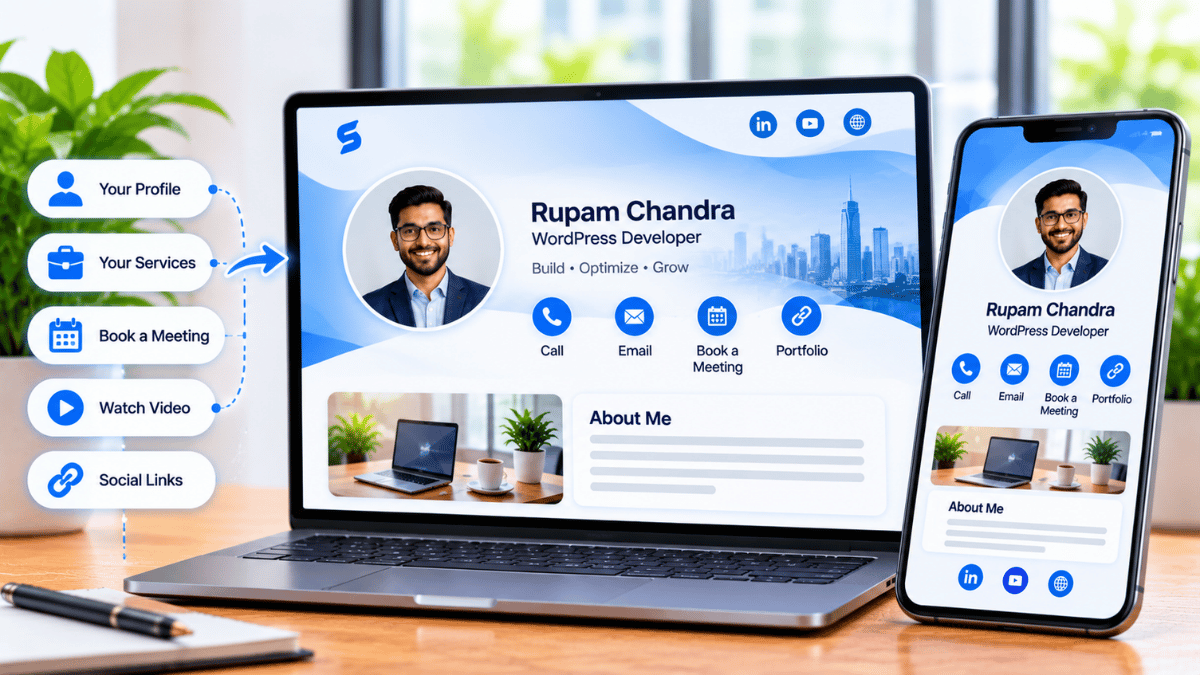
The practical advantage of a QR code on the booth banner is that it works at scale — anyone who walks past can scan it and land on the same profile or team widget without interrupting the team. The practical advantage of an NFC tap is that it works in the handshake moment, without either person needing to open a camera. Both feed the same underlying profile, so the team can use the one that fits the moment.
Phase 3: after the show
The two weeks after the show decide whether the leads become pipeline. The single most-cited piece of research on this is the finding that people who receive advice during a networking conversation often never hear from the person who gave it again — the follow-up is where most professional relationships quietly die. The Harvard Business Review has documented the pattern across industries, and it holds at trade shows as well as anywhere else.
Three steps make the difference.
Triage within 24 hours
The first evening after the show, sort the captured contacts into three buckets: hot (a real next step was discussed), warm (worth a follow-up message), and cold (a scan but no substance). The triage itself takes an hour and determines everything that happens afterwards. If you wait until the following week, half the context is gone and half the leads get the wrong follow-up.
Send a specific message within 48 hours
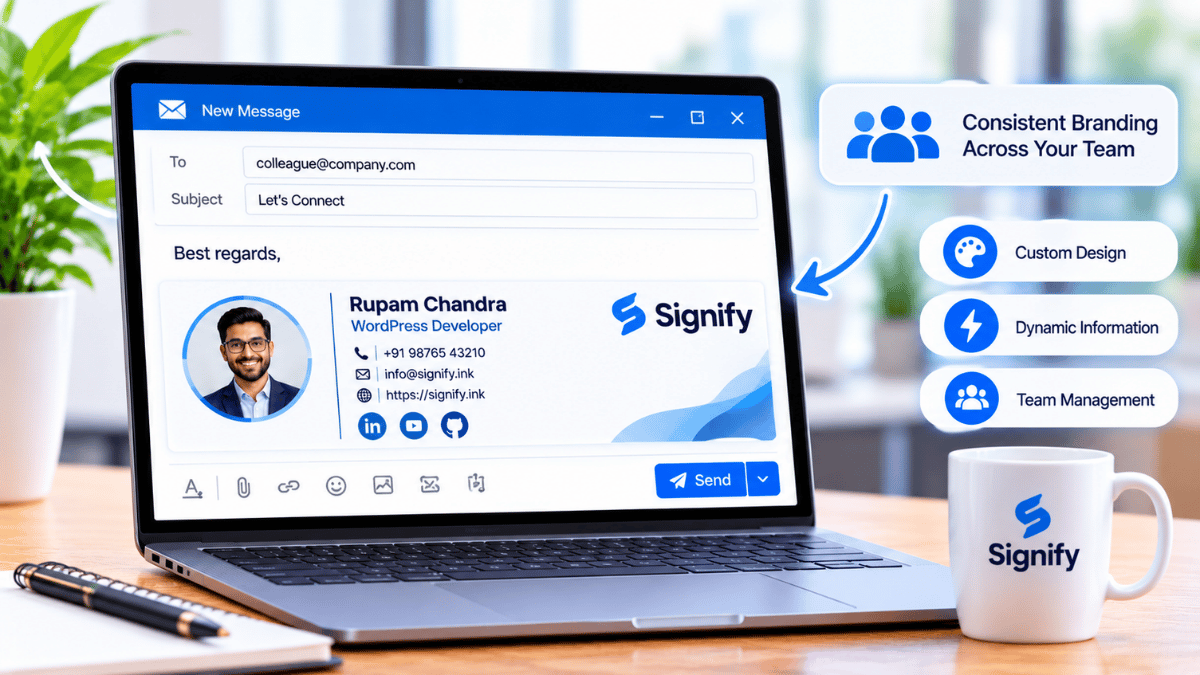
The follow-up should reference the specific conversation — the problem they described, the demo they saw, the thing they said they were trying to solve. A generic "great to meet you at [Show]" template reads as exactly what it is. The send-a-card feature puts the digital card in the email with the contact attached as a VCF, so the recipient can save the details in one tap — which removes the friction that stops most follow-ups from being actioned.
Route the lead into the CRM, not into a spreadsheet
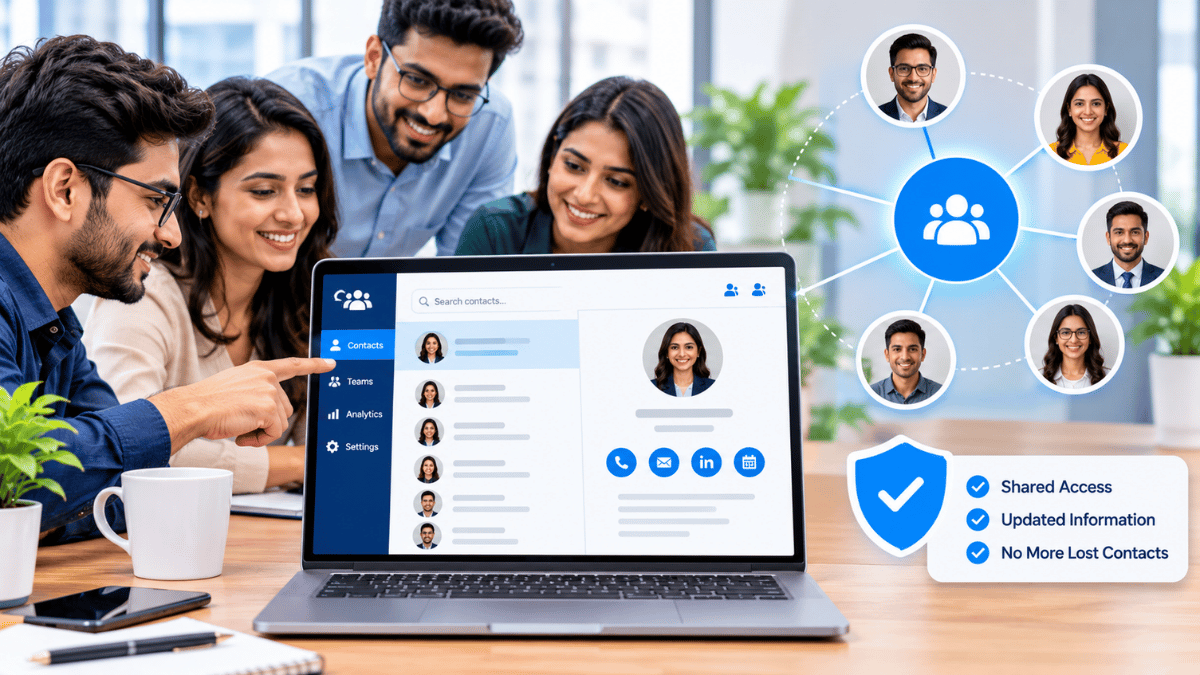
A captured contact that lives in a personal spreadsheet is not a company asset — it is a future gap when the salesperson leaves. The trade show lead should end up in the CRM with the conversation note attached, so the follow-up sequence, the tracking, and the reporting all happen in the same system. The Signify leads integration covers the CRM sync options, and Signify Teams adds the centralised view for a multi-person booth.
The Signify workflow for a trade show
The practical sequence, from the day the show is booked to the week after it closes. This is the specific set of steps that fits a Signify-based deployment.
Two weeks before
-
Make sure every booth team member has a current card. Role, company, and the specific project or product they are representing at the show. If the team is on Signify Teams, the cards are already centrally managed and only need review.
-
Generate the booth QR code. If the team's cards are on the Signify widget, the QR code on the banner can open a carousel of every team member, so a visitor can find the right person without asking.
-
Test the QR code with a phone that is not yours. The single most-skipped step in every trade show setup, and the one that catches the most problems on day one.
During the show
-
NFC card for the handshake. When someone engages, the fastest capture is a tap. The card is in a pocket, the visitor's phone is already out, and the contact is saved before the conversation has finished.
-
QR code on the banner for passers-by. Not everyone stops to talk. A QR code on the booth lets the visitor self-serve without interrupting the team.
-
Add a note in the moment. The conversation context is the most valuable part of the capture, and it fades fastest. Add it before the next visitor arrives.
Within 48 hours after
-
Triage hot, warm, cold. The bucketing takes an hour and determines the next two weeks of follow-up.
-
Send the card by email with a specific reference. The message should mention the conversation, not just the show. The VCF attachment makes saving the contact trivial.
-
Route the hot leads into the CRM. The leads integration is where the follow-up sequence starts and where the show's ROI gets measured.
One-page checklist
The whole playbook compressed into a list you can actually use. Print it, or copy it into the team's show-preparation doc.
Sources: American Bar Association and UPrinting (88%); Harvard Business Review (networking follow-up research).
-
Before: measurable goal, booth designed for encounters, team trained on capture.
-
Before: every team member's card is current, QR code generated, and the QR code tested on a phone that is not yours.
-
During: NFC tap for the handshake, QR on the banner for passers-by, note added in the moment.
-
After: triage within 24 hours, specific follow-up within 48 hours, lead routed into the CRM.
-
After: a week later, review which leads have moved and which have stalled, and route the stalled ones into a nurture sequence rather than letting them disappear.
Frequently asked questions
What is the single most important thing for trade show success?
The follow-up. Preparation sets the ceiling and the booth determines how many conversations happen, but what converts a conversation into pipeline is whether the follow-up lands within 48 hours with a specific reference to the conversation. The Harvard Business Review has documented how often this step is skipped across industries, and trade shows are no exception.
Are paper business cards still worth using at trade shows?
At a booth, they are the least reliable capture method. The American Bar Association and UPrinting both cite the widely used figure that roughly 88% of cards are thrown away within a week. At a show where an attendee collects cards from twenty or thirty booths, the survival rate is likely worse than that baseline. A paper card can still be a nice handshake gesture, but it should not be the primary record of the conversation.
Should I use a badge scanner or a digital card?
They capture different things. A badge scanner captures the registration record — name, title, company — which is useful but carries no conversation context. A digital card captures the contact plus whatever the visitor chooses to share, and it is easy to annotate in the moment. The strongest setup uses both: the badge scanner for the formal registration record, the digital card for the contact-and-context pair that drives the follow-up.
What is the right follow-up window after a trade show?
Within 48 hours, and triage within 24. The exact window matters less than the fact that the follow-up happens while the conversation is still fresh. After a week, most recipients have forgotten which booth was which, and the message reads as generic.
Do we need a special trade-show setup on Signify?
No special setup. The same profile used for in-person networking works at a trade show — the QR code and NFC tap are the same mechanisms. What changes is the distribution: a QR code on the booth banner lets passers-by scan without interrupting the team, and a team widget lets visitors browse the whole booth team from one link.
How does Signify handle a multi-person booth team?
Signify Teams provides centralised card management and shared templates, so every team member's card reflects the same brand without losing individual details. A departing team member's card can be deactivated centrally, and a new hire's card can be live on day one.
Where does the trade show lead actually end up?
Into the CRM, ideally automatically. The Signify leads integration covers the sync options, including Zoho CRM. A lead that lives only in a personal spreadsheet is not a company asset, and the person who owns the spreadsheet may not be at the next show.
How do I get started?
Open Create a Card in Signify to set up an individual card, or visit the Signify Teams page for a booth-team deployment. Share the card by link, QR code, or NFC tap, and route the follow-up through the send-a-card flow.
Capture the conversation, not just the card
One tap at the booth, one card in the follow-up email, one lead in the CRM — the three steps that decide whether the show pays back.
Create your Signify card