The Trillion-Dollar Drain
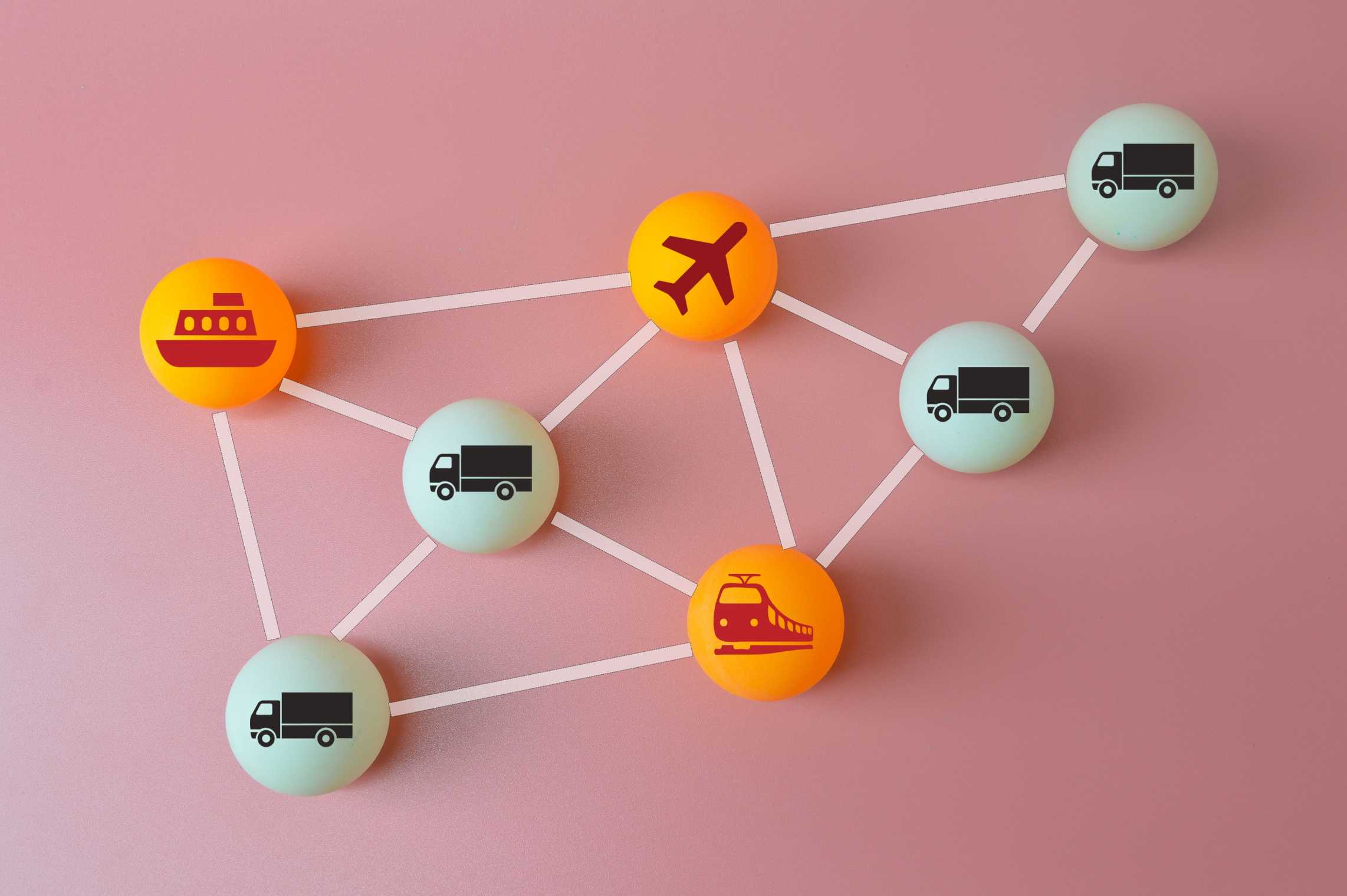
Discover how modern supply chains are losing staggering amounts to inefficiency, and how digital networking solutions are plugging the leaks to build a more sustainable and profitable future.
The Scale of Supply Chain Waste
Waste isn't just about discarded products. It's a complex web of inefficiencies spanning from production to the final customer. Click on a category below to explore the hidden costs draining resources and profits from global supply chains.
Inventory Waste
Overproduction & Spoilage
Transport Waste
Inefficient Routes & Empty Miles
Production Waste
Defects & Over-processing
Administrative Waste
Manual Processes & Errors
The Answer: A Digitally Connected Ecosystem
The solution to fragmented, wasteful supply chains is not a single product, but a connected digital ecosystem. By creating a shared network of real-time data, companies can achieve unprecedented visibility and collaboration, turning potential waste into value.
Data Integration
Connects disparate systems (ERP, WMS, TMS) into a single source of truth, eliminating data silos and manual entry errors.
Real-Time Visibility
Provides live tracking of shipments, inventory levels, and production status, allowing for proactive decision-making instead of reactive problem-solving.
Enhanced Collaboration
Creates secure channels for suppliers, manufacturers, logistics providers, and customers to communicate and share data, fostering trust and efficiency.
Predictive Analytics
Leverages aggregated data to forecast demand, predict disruptions, and optimize operations, moving from hindsight to foresight.
Core Technologies Driving the Change
Several key technologies form the backbone of the modern, connected supply chain. Explore how each one contributes to creating a more efficient, transparent, and sustainable network.
IoT: The Eyes and Ears of the Supply Chain
The Internet of Things (IoT) embeds physical objects—from shipping containers to individual products—with sensors that collect and transmit real-time data. This creates unprecedented visibility. Instead of relying on periodic scans at checkpoints, companies can monitor the exact location, temperature, humidity, and condition of their goods at every moment. This is particularly crucial for perishable goods like food and pharmaceuticals. A slight temperature deviation can be detected and corrected instantly, preventing entire shipments from spoiling. This constant stream of data feeds into other systems, enabling dynamic rerouting, accurate ETA predictions, and automated quality control, transforming logistics from a series of disconnected steps into a fluid, monitored process.
AI: The Brain of the Operation
Artificial Intelligence and Machine Learning analyze the vast amounts of data collected by IoT and other systems to identify patterns, predict future outcomes, and automate complex decisions. The most significant impact is in demand forecasting. By analyzing historical sales data, weather patterns, social media trends, and economic indicators, AI can predict consumer demand with far greater accuracy than traditional methods. This prevents overproduction and stockouts—two of the biggest sources of inventory waste. Furthermore, AI optimizes transportation routes in real-time, considering traffic, weather, and delivery windows to minimize fuel consumption and empty miles. It can also predict potential equipment failures in warehouses and on production lines, enabling proactive maintenance and preventing costly downtime.
Comparing Forecast Accuracy Over 12 Months
Blockchain: The Unbreakable Chain of Trust
Blockchain technology provides a decentralized, immutable ledger that records every transaction and movement within the supply chain. Each step—from raw material sourcing to final delivery—is recorded as a "block" that is cryptographically linked to the previous one. This creates a permanent, tamper-proof record that all authorized parties can view but none can alter. This radical transparency builds trust between partners, simplifies audits, and combats counterfeiting. For consumers, it provides verifiable proof of a product's origin and journey, which is crucial for fair-trade, organic, and luxury goods. In the event of a product recall, blockchain allows companies to trace the issue back to its source in minutes rather than days, minimizing public health risks and financial damage.
Transaction Created
A farmer harvests organic coffee beans.
Block Verified
The harvest data is recorded as a block and verified by network participants.
Chain Updated
The block is added to the chain, linking it to the previous record.
Full Traceability
The consumer scans a QR code to see the entire, verified journey from farm to cup.
Digital Networking: The Human Connection
While technology handles data, supply chains are ultimately run by people. The final, and perhaps most overlooked, piece of the puzzle is seamless human-to-human communication. Administrative waste—caused by incorrect paperwork, communication delays, and human error—is a massive drain on resources. This is where modern digital networking tools become critical. A simple, verifiable professional identity, like that provided by a Signify.ink digital business card, ensures that the right person is contacted every time. It eliminates the friction of outdated contact lists and misdirected emails. When a logistics manager needs to contact a warehouse supervisor about an urgent shipment, they have instant access to verified, up-to-date contact information. This accelerates problem-solving, reduces delays, and prevents the costly cascading errors that arise from poor communication. By digitizing professional identities and networks, companies can eliminate a significant source of administrative friction, ensuring the human element of the supply chain is as efficient as its technological counterpart.
40%
of supply chain errors are attributed to manual data entry and communication mistakes.
25%
reduction in order processing time can be achieved by digitizing communication channels.
Quantifiable Impact Across Industries
The adoption of digital networking solutions delivers tangible benefits, reducing waste and boosting the bottom line. The chart below illustrates the average potential reduction in waste for key sectors.
Cost Reduction
Directly lowers costs associated with spoiled goods, excess inventory storage, expedited shipping due to delays, and fuel from inefficient routes.
Increased Efficiency
Automates manual processes, accelerates decision-making with real-time data, and improves asset utilization (trucks, warehouses).
Enhanced Sustainability
Reduces food and product waste, lowers carbon emissions from optimized transport, and enables a more robust circular economy.
Ready to Build a Smarter Network?
Reducing supply chain waste starts with better connections. At Signify.ink, we believe that a verifiable digital identity is the first step towards building the trusted professional networks required for the supply chains of tomorrow. Eliminate communication errors and build a foundation of trust.
Learn More at Signify.ink